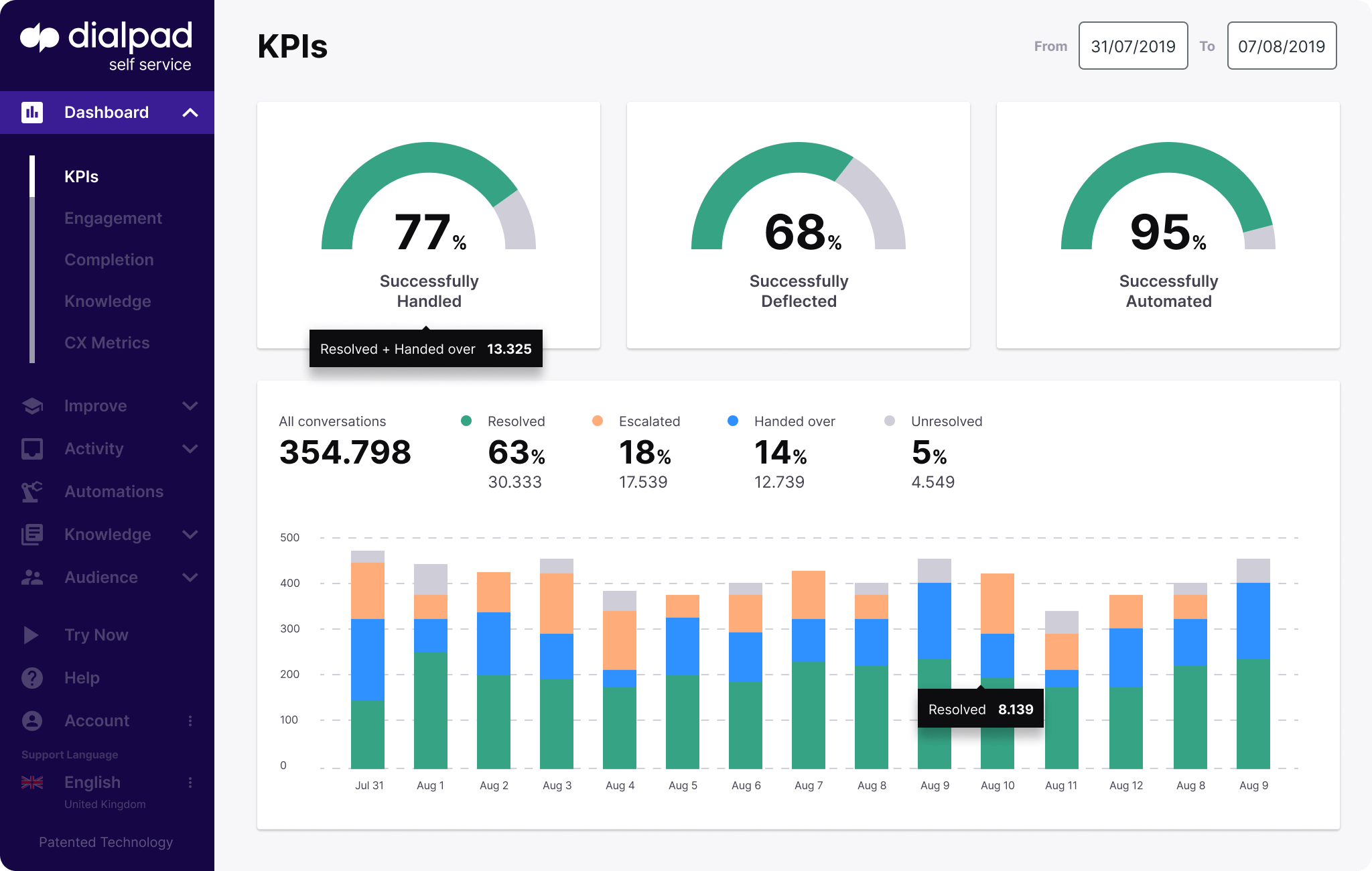
In today’s always-online world, visitors expect instant answers, smooth experiences, and personalized interactions. This is where AI-powered chatbots step in—quietly transforming how websites handle sales inquiries and customer support, 24/7, without burning out human teams.
Let’s break down how AI chatbots work, why they matter, and how businesses can use them effectively for both revenue growth and customer satisfaction.
What Is an AI Website Chatbot?
An AI chatbot is a smart conversational tool embedded on a website that can communicate with visitors in real time. Unlike basic rule-based bots, modern AI chatbots use natural language processing (NLP) and machine learning to understand intent, context, and user behavior.
They don’t just reply—they assist, guide, recommend, and resolve.
Role of AI Chatbots in Sales
AI chatbots act like digital sales representatives who never sleep.
1. Lead Qualification
Chatbots can instantly engage visitors, ask qualifying questions, and identify high-intent users. For example:
- What product are you looking for?
- Are you a business or individual user?
- What’s your budget range?
Based on responses, the chatbot can route hot leads directly to the sales team.
2. Product Recommendations
By analyzing user behavior, chatbots suggest relevant products or services—similar to an in-store assistant who understands customer needs.
3. Reducing Cart Abandonment
Sales chatbots can:
- Answer last-minute doubts
- Offer discounts
- Remind users of abandoned carts
All in real time—right when it matters.
4. Booking & Conversions
From scheduling demos to booking consultations, chatbots simplify the conversion journey and reduce friction.
Role of AI Chatbots in Customer Support
Support is where AI chatbots truly shine.
1. Instant 24/7 Assistance
Customers no longer have to wait for business hours. Chatbots provide immediate responses to common questions such as:
- Order status
- Pricing
- Refund policies
- Account issues
2. Ticket Reduction
By handling repetitive queries, chatbots significantly reduce the number of support tickets, allowing human agents to focus on complex problems.
3. Smart Escalation
When a question goes beyond the chatbot’s scope, it can seamlessly transfer the conversation to a human agent—along with full context.
4. Multilingual Support
AI chatbots can support multiple languages, making them ideal for global audiences without hiring multilingual staff.
Key Benefits of AI Chatbots for Websites
- ✅ Faster response times
- ✅ Lower operational costs
- ✅ Improved customer satisfaction
- ✅ Higher lead conversion rates
- ✅ Scalable support without extra manpower
In short, chatbots turn websites into interactive, intelligent business tools.
Features to Look for in a Good AI Chatbot
When building or choosing a chatbot, prioritize:
- Natural language understanding
- Custom conversation flows
- CRM & email integration
- Analytics and reporting
- Omnichannel support (website, WhatsApp, Messenger, etc.)
- Secure data handling
Best Practices for Implementing AI Chatbots
- Define Clear Goals – Sales, support, or both
- Keep Conversations Human – Friendly, clear, and concise
- Train with Real Data – FAQs, chat logs, customer queries
- Continuously Optimize – Improve responses using analytics
- Don’t Fully Replace Humans – Use chatbots as assistants, not replacements
The Future of AI Chatbots
AI chatbots are evolving fast. Soon, they’ll offer:
- Deeper personalization
- Voice-based interactions
- Predictive support
- Emotion-aware conversations
Websites that adopt chatbot technology early gain a serious competitive edge.
Final Thoughts
Building AI chatbots for websites is no longer a luxury—it’s a strategic necessity. Whether boosting sales, improving customer support, or enhancing user experience, AI chatbots deliver measurable results with long-term value.